The Future of Hospitality: Optimizing Guest Experience with Hotel Self Check-in Systems
Hotel self check-in systems are revolutionizing guest experiences, offering efficiency and personalization. This in-depth article explores their benefits, challenges, and strategic implementation, drawing insights from leading industry sources.
Automazione
World Hotel Journal Editorial
# The Future of Hospitality: Optimizing Guest Experience with Hotel Self Check-in Systems
The hospitality industry is undergoing a profound transformation, driven by evolving guest expectations and technological advancements. At the forefront of this shift is the widespread adoption of hotel self check-in systems, a technology poised to redefine the guest journey from arrival to departure. This article delves into the strategic importance, operational benefits, and future implications of self check-in, drawing on insights from authoritative sources like McKinsey Travel, Cornell Hospitality, Deloitte Hospitality, and Skift.
## The Imperative for Self Check-in: Meeting Modern Guest Demands
Today's travelers, increasingly digitally native, prioritize convenience, speed, and control. Research consistently shows a growing preference for self-service options across various industries, and hospitality is no exception. A study cited by *McKinsey Travel* indicated that over 60% of consumers prefer self-service for simple tasks, a sentiment that directly translates to hotel check-in processes. The traditional front desk, while still vital for personalized interactions, can often be a bottleneck, especially during peak hours.
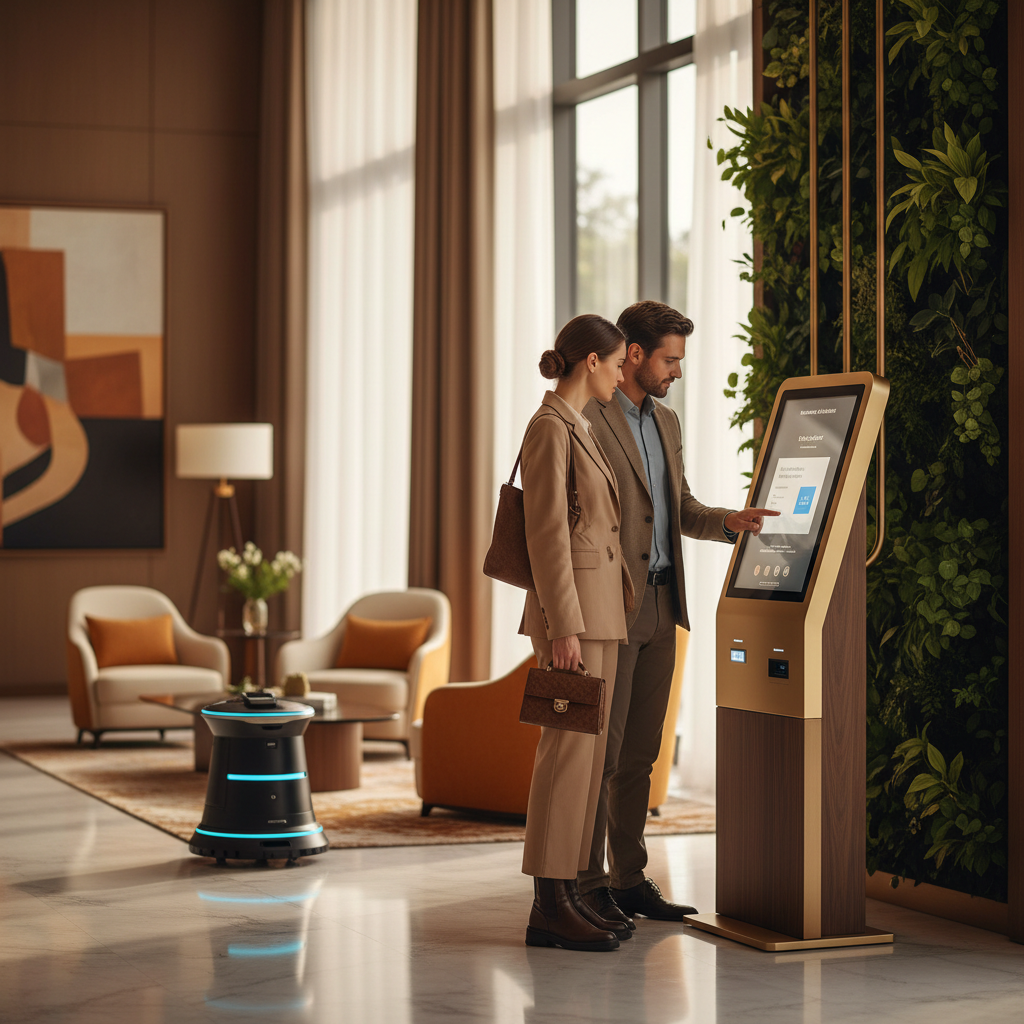
Self check-in systems address this by empowering guests to bypass queues and complete registration independently, whether via a mobile app, a dedicated kiosk, or even a smart TV in their room. This not only enhances efficiency but also aligns with the desire for a more streamlined, contactless experience, a trend accelerated by recent global health concerns.
## Operational Efficiencies and Cost Savings
Beyond guest satisfaction, self check-in systems offer significant operational advantages for hoteliers. *Hospitality Technology Magazine* frequently highlights how these systems can:
* **Reduce Labor Costs:** By automating routine tasks, staff can be reallocated to higher-value activities, such as concierge services, personalized guest engagement, or resolving complex issues, rather than administrative check-ins. Deloitte Hospitality reports often underscore the potential for operational optimization through technology.
* **Improve Throughput:** Kiosks and mobile check-in options can process multiple guests simultaneously, drastically cutting down wait times and improving the overall flow of arrivals, especially in large hotels or those with high turnover.
* **Enhance Data Accuracy:** Digital input minimizes human error in data entry, leading to more accurate guest profiles and improved CRM capabilities.
* **Increase Upselling Opportunities:** Integrated systems can present personalized upgrade offers, late check-out options, or ancillary services (e.g., spa treatments, restaurant reservations) during the check-in process, often leading to higher conversion rates than traditional methods.
## Real-World Implementations and Brand Successes
Major hotel brands are actively embracing self check-in technologies, demonstrating their commitment to innovation and guest-centricity.
* **Hilton Worldwide** has been a pioneer, allowing guests to check in, choose their room, and even unlock their door using the Hilton Honors app. This mobile-first approach exemplifies seamless integration and convenience.
* **Marriott International** has also heavily invested in mobile check-in and keyless entry, understanding that a frictionless arrival experience is a key differentiator. Their Bonvoy app offers similar functionalities, enhancing loyalty and guest satisfaction.
* **CitizenM Hotels** built its entire operational model around self check-in kiosks, creating a highly efficient, design-led experience that appeals to tech-savvy travelers. Their success demonstrates that self check-in can be a core brand identity, not just an add-on.
* **YOTEL** is another prime example, utilizing robotic concierges (like 'YOBOT') and self-service kiosks to manage luggage and check-ins, emphasizing a smart, compact, and efficient stay.
These examples, frequently cited in publications like *Hotel Management* and *Skift*, illustrate that self check-in is not a niche offering but a mainstream expectation, particularly in the mid-scale and upscale segments.
## Strategic Recommendations for Implementation
Implementing a successful self check-in system requires careful planning and a holistic approach:
1. **Integrate Seamlessly:** The system must integrate flawlessly with existing Property Management Systems (PMS), CRM, and key card systems. Disjointed technology creates more problems than it solves. *Cornell Hospitality* research consistently emphasizes the importance of robust system integration.
2. **Offer Choice, Not Replacement:** While self check-in is efficient, it should complement, not entirely replace, human interaction. Guests should always have the option to speak with a staff member if needed. A hybrid model often yields the best results.
3. **Prioritize User Experience (UX):** The interface must be intuitive, multilingual, and accessible. A clunky or confusing self check-in process will deter guests and negate its benefits.
4. **Ensure Robust Security:** Data privacy and security are paramount. Systems must comply with all relevant regulations (e.g., GDPR, CCPA) and employ strong encryption for guest information and payment details.
5. **Provide Clear Support:** Kiosks should have clear instructions, and mobile apps should offer in-app support or easy access to hotel staff. Training staff to assist guests with self check-in is also crucial.
6. **Leverage Data Analytics:** Analyze usage patterns and guest feedback to continuously refine and improve the self check-in experience. Data-driven decisions are key to maximizing ROI.
## The Road Ahead: AI, Biometrics, and Hyper-Personalization
The evolution of self check-in is far from over. Future iterations will likely incorporate:
* **Artificial Intelligence (AI) and Machine Learning (ML):** AI-powered chatbots can assist with pre-arrival queries and guide guests through the check-in process, offering personalized recommendations based on past stays or preferences.
* **Biometric Authentication:** Facial recognition or fingerprint scanning could offer even faster and more secure check-ins, though privacy concerns will need careful navigation.
* **IoT Integration:** Smart rooms that automatically adjust to guest preferences upon check-in (e.g., temperature, lighting, entertainment settings) will become more common, creating a truly personalized arrival experience.
As *Skift* regularly reports, the convergence of these technologies will lead to an even more seamless and anticipatory guest journey. Hoteliers who embrace these advancements will be well-positioned to meet the demands of the modern traveler and maintain a competitive edge.
## Conclusion
Hotel self check-in systems are no longer a novelty; they are a fundamental component of modern hospitality. By offering unparalleled convenience, operational efficiency, and opportunities for enhanced guest personalization, these systems are reshaping the guest experience. Hoteliers who strategically implement and continuously innovate their self check-in solutions will not only meet but exceed contemporary guest expectations, paving the way for a more efficient, engaging, and profitable future in the hospitality industry.